Adhesion of display backplane, reflective paper, and light bar
Industry demand
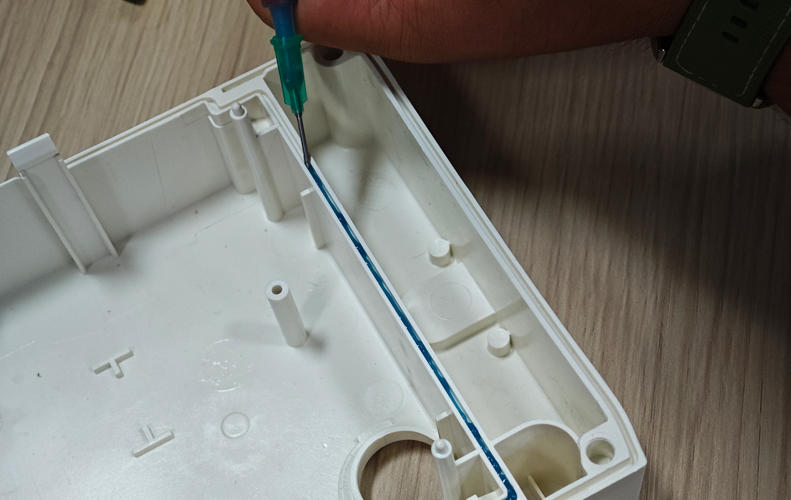
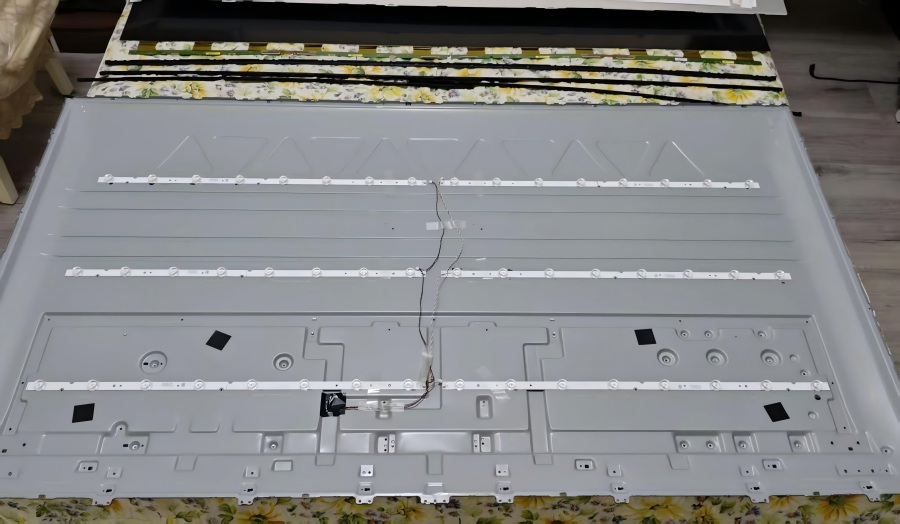
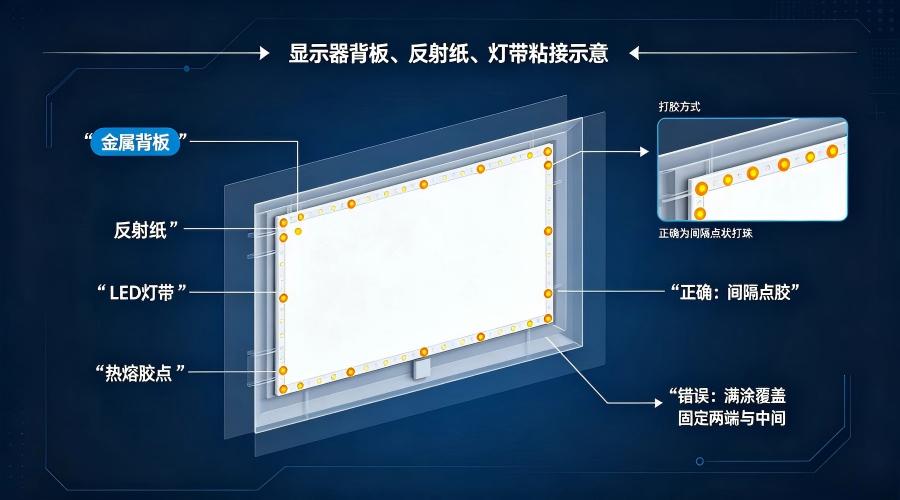
In the manufacturing of televisions and displays, the bonding of backplanes with reflective paper and LED light bars is a crucial process that determines the display effect and product lifespan. The reflective paper must remain flat and unwarped during the tens of thousands of hours of heating and lighting of the backlight module, while the LED light bars must adhere firmly without detaching under the continuous high temperatures generated by high brightness. Traditional industry solutions often face four major pain points: First, the adhesive layer softens and creeps under high temperatures, causing the reflective paper to warp and the light bars to shift, resulting in uneven brightness on the screen. Second, the adhesive has insufficient bonding strength to low polarity backplane materials such as PP and PE, requiring additional primer treatment. Third, some adhesives contain organic solvents, which can pollute the dust-free workshop with volatiles, affecting yield. Fourth, traditional hot melt adhesives cannot be reworked after bonding; if they are applied crookedly, they must be scrapped, resulting in material waste. The market urgently needs a hot melt adhesive solution with 100% solid content, excellent high-temperature adhesion, and rapid automated application.
Sustainability planning
"Our bonding solution for backplane reflective paper/LED light strips embodies the sustainable concept from two dimensions: 'durability' and 'environmental protection'.
Firstly, extending product lifespan: Excellent high-temperature resistance and tack retention ensure long-term stable service of the backlight module, reducing after-sales repairs and complete machine scraps caused by adhesive failure, thereby reducing electronic waste from the source.
Secondly, environmental protection of materials: 100% solid content hot melt adhesive, containing no organic solvents and emitting zero VOCs, meets the cleanliness requirements of dust-free workshops, and protects the health of operators.
Third, process energy saving: After the application of hot melt adhesive, it cools and solidifies quickly, eliminating the need for drying equipment and significantly reducing energy consumption compared to solvent-based adhesives. Automated roller or spray application precisely controls the amount of adhesive used, reducing waste and facilitating green manufacturing throughout the entire process. "
Feature
Heat-resistant in different levels, matched according to needs
The four products cover a heat resistance range from "moderate" to "extremely strong", with a softening point of 100~125℃. The selection of adhesive is precise based on the heat output of the machine, avoiding paying a premium for excess performance.
Direct bonding of low surface energy substrates
The synthetic rubber system exhibits excellent wettability to low polarity materials such as PP backsheets and PE reflective paper films, eliminating the need for primer, simplifying the process, and reducing auxiliary material costs.
100% solid content, zero solvent
The sizing process releases no volatile organic compounds, is suitable for a closed environment in a dust-free workshop, has passed environmental impact assessment, and workers are not bothered by any peculiar smell.
Synthetic rubber flexible system
The adhesive layer is flexible and can effectively absorb the stress caused by the differences in thermal expansion coefficients between the backplane, reflective paper, and light bar, ensuring no cracking or delamination during thermal cycling.
Quick positioning, adaptive automation
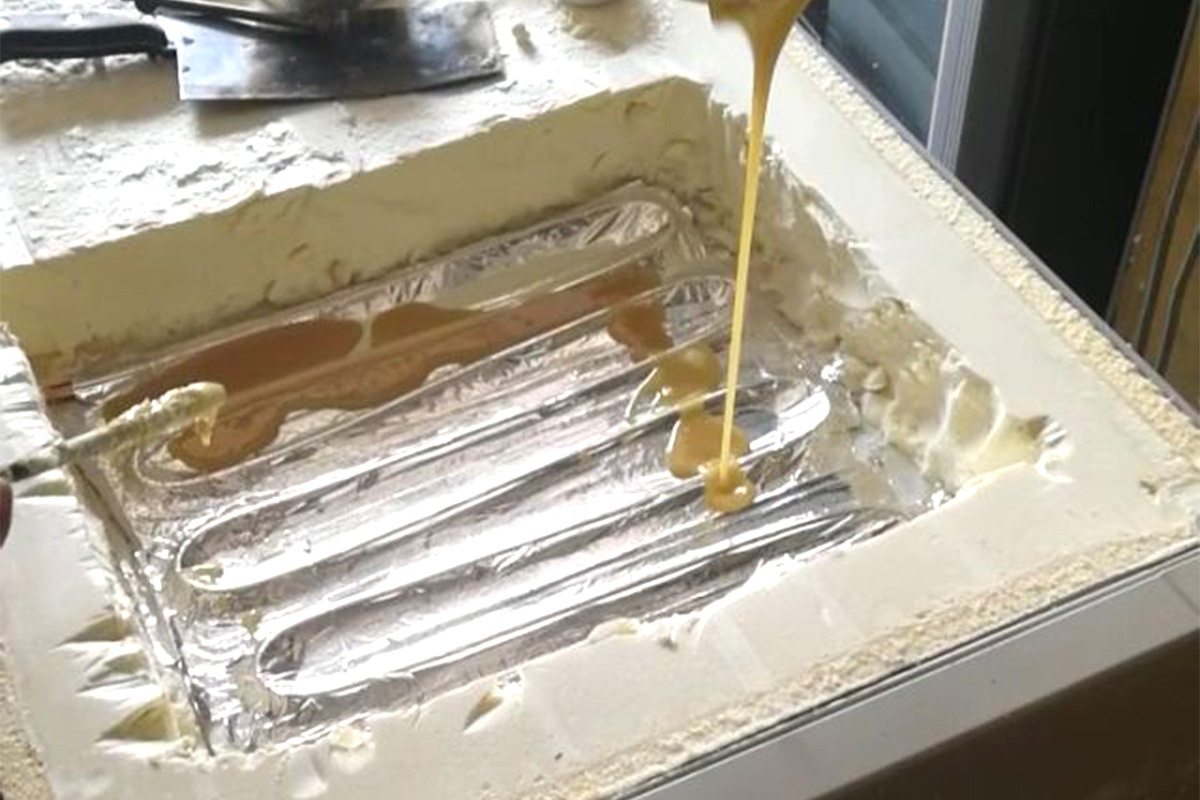
The initial adhesion meets the timing requirements of automated production lines, ensuring rapid fixation after bonding without the need to extend the dwell time. The recommended application temperature is 170~190℃, and both roller application and spray application are supported. "
Table of main physical properties
| Project | Details |
| Main component | synthetic rubber |
| Operating temperature | 170~190℃ |
| Teaching method | Rolling wheel, spray adhesive |
| Packaging method | 20kg/box |
| Storage life | Two years (keep in well-ventilated place, avoid direct sunlight) |
Product selection guide
| Product Name | Appearance | Thinness (mPa.s@180℃) | Softening Point (℃) | Peel Force (N/25mm) | High Temperature | Resistance Application Scenario |
| SR637-1 | Yellow pillow-shaped | 7000~10000 | About 110 | >45 | Strong | Large-sized, high-brightness TV reflection paper, suitable for higher heat generation conditions |
| SR637S | Light yellow pillow shape | 6000~10000 | About 100 | >60 | Moderate | Regular TV backplane reflective paper, meeting the needs of mainstream models |
| SR616 | White to slightly yellow pillow-shaped | 6000~10000 | About 120 | >50 | Strong texture | The reflective paper and LED light strip share the same adhesive type, reducing material switching in the production line and exhibiting strong heat resistance |
| SR667 | White to slightly yellow pillow-like appearance | 12000~15000 | About 125 | >40 | Extremely strong | special high-temperature lamp strip or rigorous aging test, highest heat resistance rating |
Contact: Ying Yang
Phone: 13775685579
E-mail: yangying@sunrise-chem.cn
Whatsapp:+8613775685579
Add: Building A2, Room 301, No. 8 Xintai Road, Xinwu District, Wuxi City,CHINA